Welcome to the science writing portfolio of Karen O'Hanlon Cohrt PhD

ECM-based or ECM-free for 3D Cell Culture? - Tempo Bioscience

In this article, we compare ECM-based and ECM-free culture approaches across common 2D and 3D workflows, including surface coatings, embedded cultures, dome-based workflows, and Transwell applications, alongside ECM-free ultra-low-attachment (ULA) systems such as Lipidure-coated plates. By highlighting the strengths and limitations of each approach, we aim to help researchers select the format best suited to their experimental goals.

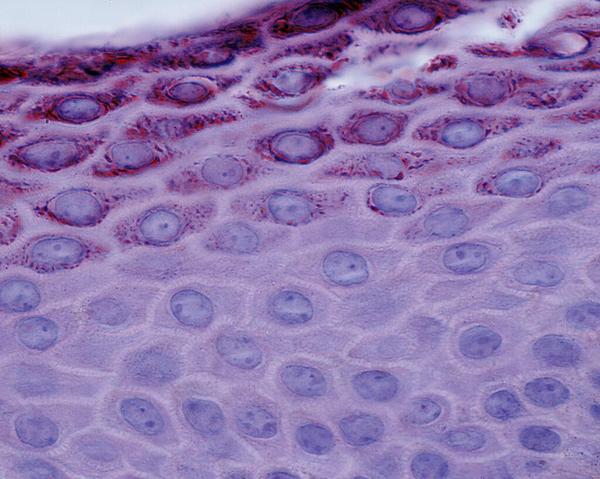
Why and How Do We Study Keratinocytes by Tempo Bioscience

In a previous article we introduced keratinocytes and looked at their biological functions and subtypes. Here, we explore some of the main reasons researchers study keratinocytes and the various approaches used. We focus on 2D assay formats, outlining their advantages and limitations, and provide a preview of how these compare with emerging 3D skin models. But first, let’s start with a brief recap on keratinocytes.
Photo by meo on Pexels

Alzheimer's Blood Test: Why Don't We Screen for Early Detection? - Capitainer

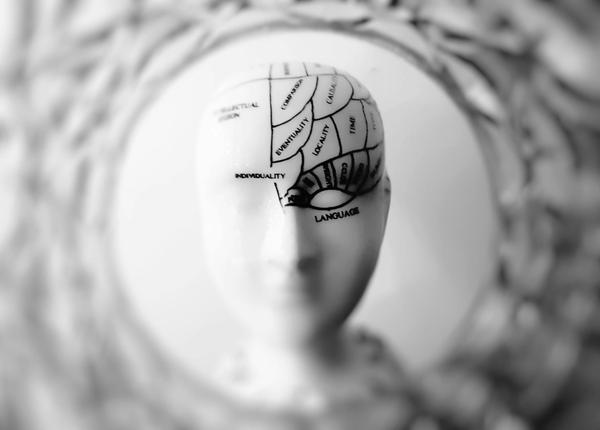
Alzheimer’s disease (AD) is the leading cause of dementia, accounting for approximately 60-80% of all cases. Like other forms of dementia, AD is an incurable neurodegenerative condition that comes with progressive memory and language loss, confusion, mood changes, and severe cognitive decline over time. According to the Alzheimer’s Association, studies have found that 50% or more of patients with AD are not diagnosed until the moderate or advanced stage of disease, at which point they cannot benefit from new disease-modifying therapies. This highlights the urgent need for scalable early detection strategies including blood-based biomarkers to allow timely intervention and maximize the impact of emerging therapies.

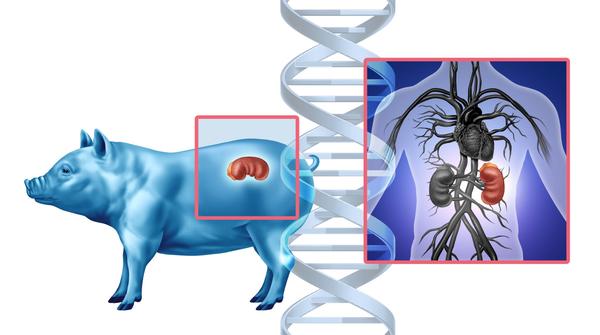
Dried Urine Sampling For Patient-Centric Kidney Health Management - Capitainer

In a previous article, we explored the possibilities for dried urine testing as an alternative to standard liquid urine testing, with a particular focus on patient convenience, sample stability, and accuracy. Here, we take a closer look at kidney function testing, specifically examining the key biomarkers that can be measured, the patient populations that benefit most, and how dried urine sampling could transform routine primary care screening through at-home sampling for patient-centric kidney health and chronic disease management.

News: Clinical Update: YolTech's Base-Editing Therapy YOLT-101 Gains Chinese IND Approval - CRISPR Medicine

YolTech Therapeutics announced on Monday that the Chinese National Medical Products Administration has approved its IND application for YOLT-101 in heterozygous familial hypercholesterolemia. YOLT-101 is a novel base-editing therapeutic candidate designed to permanently disrupt the PCSK9 gene in the liver to reduce disease-driving low-density lipoprotein cholesterol.

2D vs 3D Cell Culture: Choosing the Right Model - by Tempo Bioscience

In our last article, we compared 2D organ-on-a-chip devices and 3D organoids with respect to their use in drug discovery, highlighting their importance in modeling diseases and evaluating efficacy and safety during drug discovery and development . We also presented the major catch-22 challenge in disease modeling; disease biology is complex and developing a ‘good’ disease model requires a deep understanding of disease mechanisms and pathogenesis, both of which come through gathering Real-World E...

An Introduction to Hypothyroidism – Presentation, Causes, Diagnosis and Treatment - Capitainer

Hypothyroidism is an endocrine condition that occurs when the thyroid gland doesn’t produce and release sufficient thyroid hormone into the bloodstream. The condition typically develops slowly over many years, and while symptoms may not be obvious during the early stages, undetected and untreated hypothyroidism can lead to serious health complications over time, including high cholesterol, cardiovascular problems, goiter, nerve damage, infertility and others.

The Impact of Nucleic Acid Contamination in Bioprocessing and Protein Purification Workflows

Within biotech, it's hard to think of an application that doesn’t involve proteins in some way or another. Whether it's research to identify and characterize proteins of interest, structural biology, development of a therapeutic protein or industrial fermentation, protein purification will be a key part of the workflow. Many approaches to protein purification exist and one step common to all is the need to eliminate host nucleic acids that are released during the process. While nucleases – enzymes that digest DNA and RNA – are critical for this step, commercial products often come at extremely high prices that limit their use. This article outlines why nucleic acid contamination is a major problem in protein purification and presents the modern-day solutions.

News: Intellia Reports Positive Three-Year Follow-up Data from Phase 1 CRISPR Trial in Hereditary Angioedema - CRISPR Medicine

Intellia Therapeutics has reported positive three-year follow-data from the ongoing Phase 1/2 trial of lonvo-z (formerly known as NTLA-2002) in patients with hereditary angioedema. The data show that a single dose of the in vivo CRISPR-based therapeutic candidate eliminated severe inflammatory attacks in all patients with a favourable safety profile. A Phase 3 trial is ongoing.

Organs-on-Chips vs. 3D Organoids - Tempo Bioscience

To address the shortcomings of in vitro cell-based assays, such as those that rely on primary or immortalized rodent or animal cells, two popular solutions have emerged. These are the organ-on-a-chip devices and 3D organoids. This article will introduce both of these solutions and discusses the applications, benefits and drawbacks, and experimental complications of each. We hope that this overview will assist scientists in experimental planning and design.

An Introduction to PSA Testing for Prostate Cancer - Capitainer

PSA testing measures prostate-specific antigen levels in blood to screen for prostate cancer. While the test is highly sensitive, PSA’s limited specificity can lead to unnecessary biopsies since elevated levels may result from benign prostate conditions. Modern screening programs often combine PSA testing with digital rectal examinations and/or MRI imaging to improve diagnostic accuracy and reduce invasive procedures while emerging technologies such as at-home blood sampling are expanding testin...

The Science of Itching: From Mosquito Bites to Chronic Conditions - BioQuick News

Did you know that itching has a purpose? Far from being merely an annoyance, itch is now recognized as a complex sensory system with important biological functions. In a recent primer, researchers at University of California Berkeley summarize significant discoveries about the molecular and cellular mechanisms underlying acute and chronic itch, setting the stage for future therapeutic innovations.

News: CRISPRMED25 Poster Prize Winners Highlight Diverse Advances in CRISPR Medicine - CRISPR Medicine

At the CRISPR Medicine Conference 2025 (CRISPRMED25) held in Copenhagen earlier this month, four researchers were recognised for their outstanding poster presentations. The winning posters highlighted a diverse range of advances in the gene-editing field, from new technical insights about how epigenetics influence safety in gene editing to innovative T-cell engineering methods, legal frameworks for equitable access, and novel therapeutic approaches to thalassaemia.
Load More

Follow Me